

UNO AIR's News

Small, compact, and ready for the tough jobs.
Easily remove old paint, rust, dirt, and stubborn residue from hard-to-reach surfaces.
Its compact design makes it ideal for corners, curved surfaces, protrusions, and tight spaces where other tools may struggle.
Small tool. Easy handling. Powerful results.
Get the surface ready for what’s next.
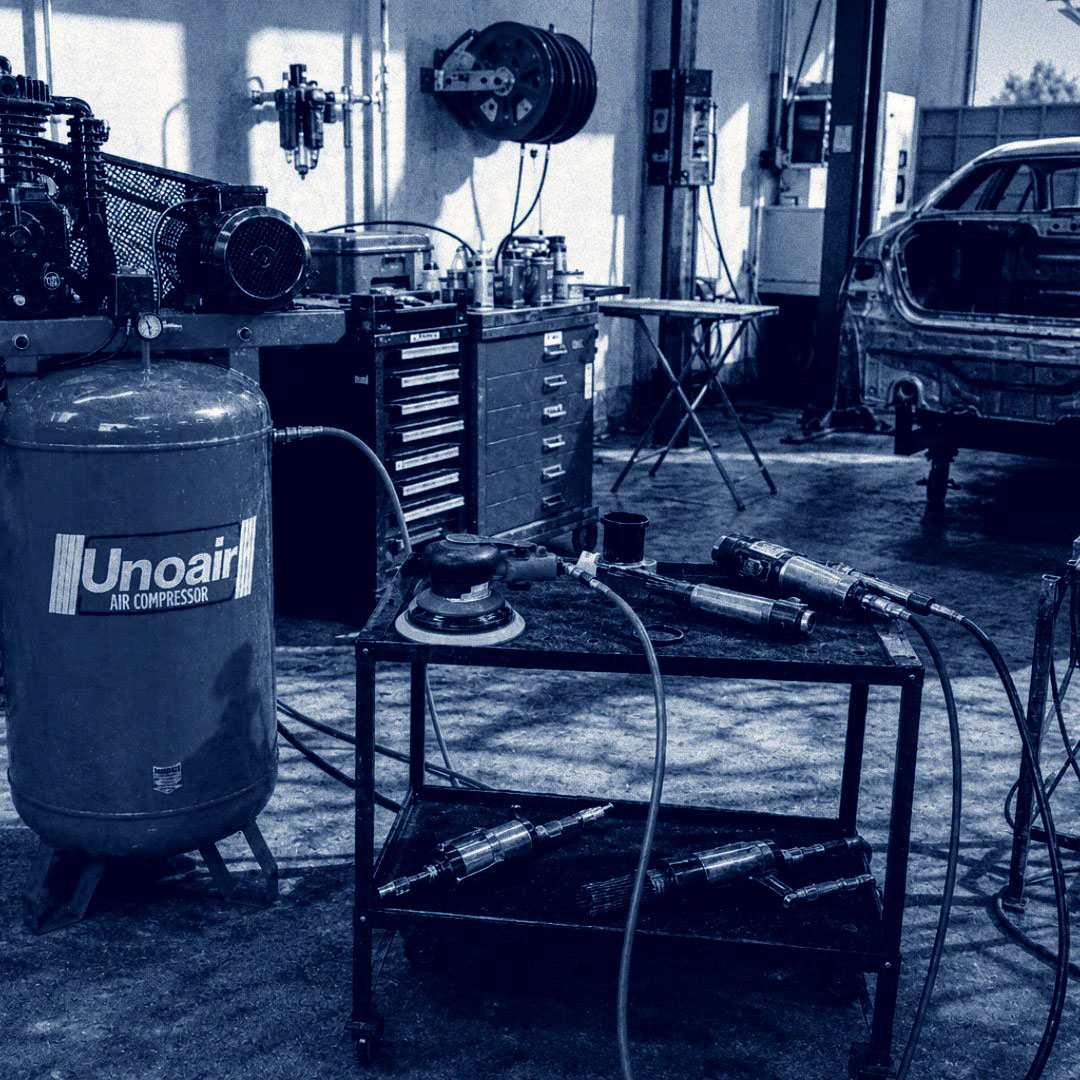

In addition to supplying high-quality compressors, air tools, and other precision equipment, we also provide hands-on training to help our customers carry out maintenance and repairs in-house.
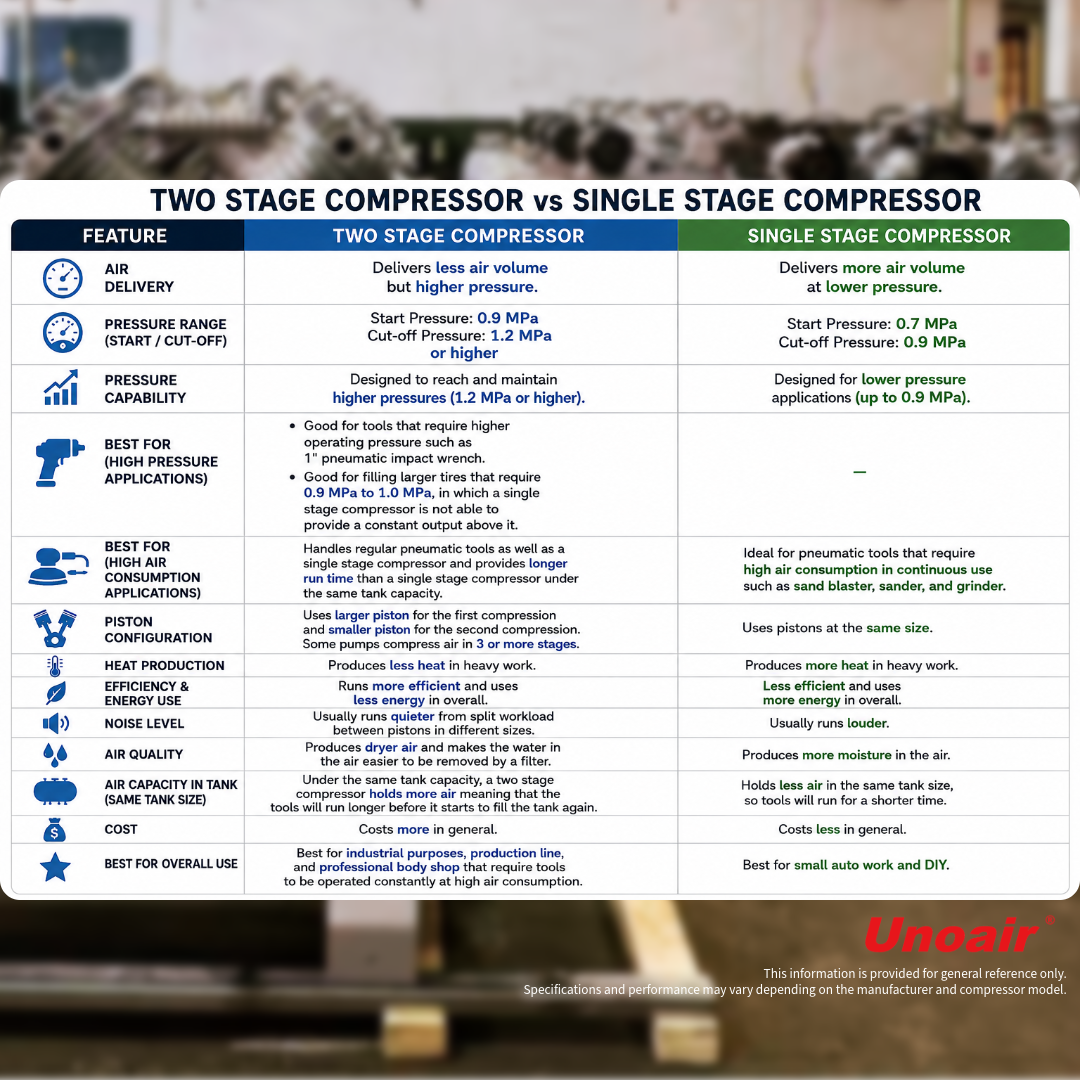
General Guide to Understanding the Difference Between Single-Stage and Two-Stage Air Compressors
While two-stage compressors offer several advantages over single-stage compressors, the best choice ultimately depends on the application, required pressure, air consumption, and expected runtime. Choosing the right model based on your specific purpose and operating conditions is the key to getting the best performance and value.
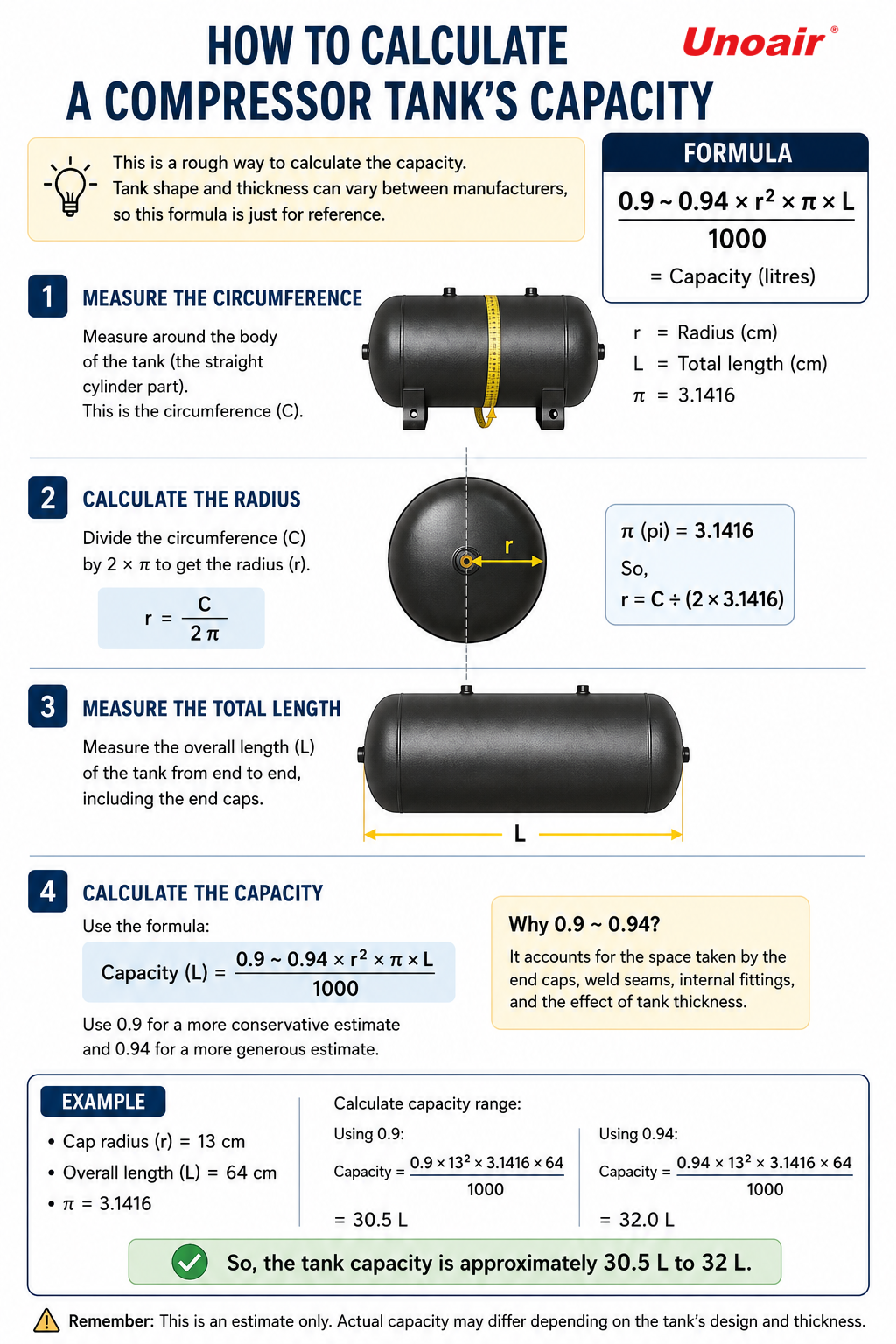
Is your air compressor tank really the size it claims to be?
Many people never check whether their compressor tank's actual capacity matches the advertised specification.
We've seen competing products with up to 35% less actual capacity to reduce manufacturing costs.
For example, a "50L" air tank may actually hold only 32.5L.
A smaller tank means:
• Faster pressure drops during use
• Less stable airflow for pneumatic tools and equipment
• More frequent pressure switch cycling
• Increased workload and wear on the motor
Once you know your tank's actual capacity, you can also estimate your compressor's air delivery (L/min) with this simple calculation:
Air Delivery (L/min) ≈ Tank Capacity (L) * 8 ÷ Time (minutes) to fill from 0 MPa to 0.8 MPa
It's a quick way to compare real-world performance instead of relying solely on marketing specifications.
Know your tank. Know your compressor. Choose performance and reliability , not just the label.

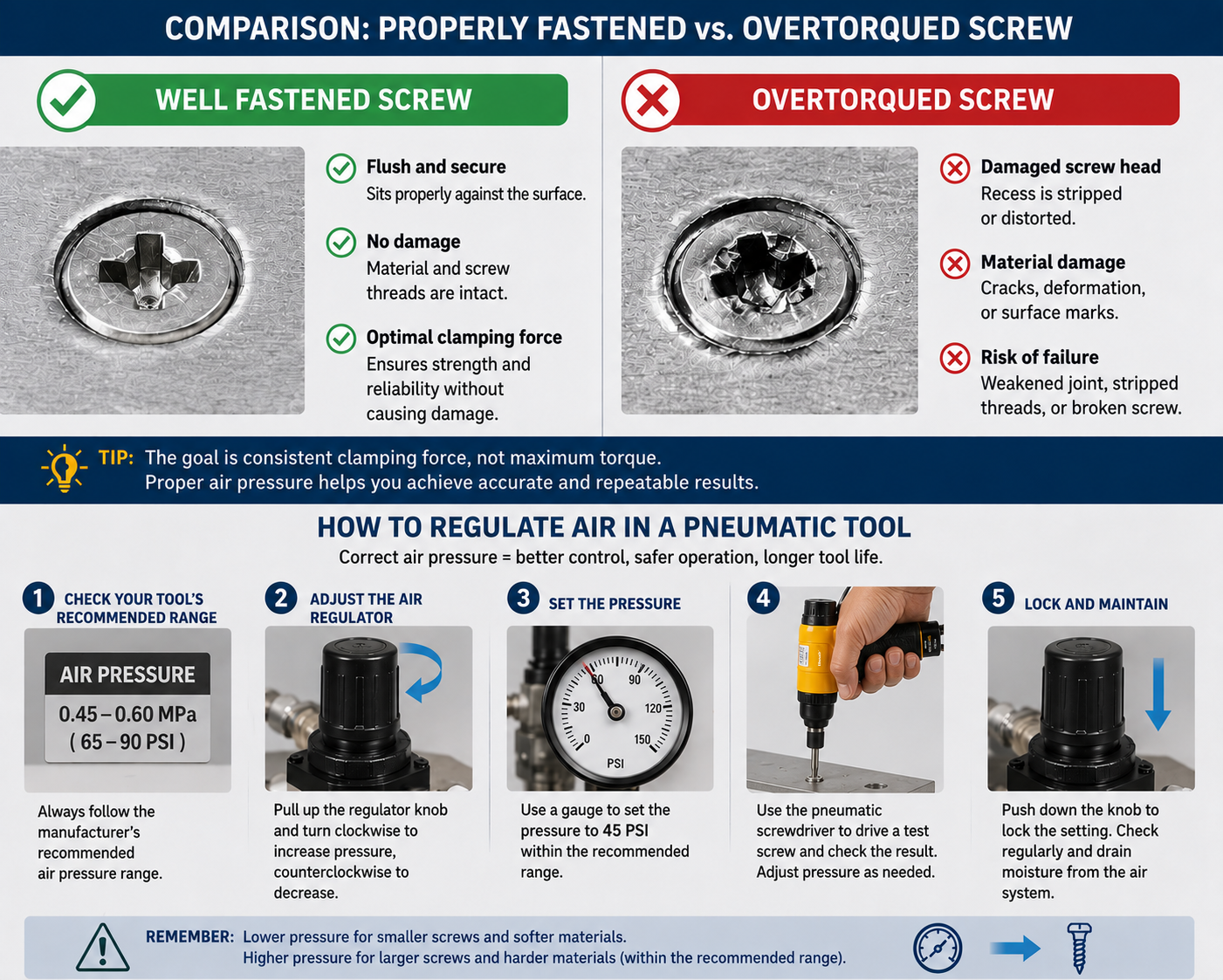
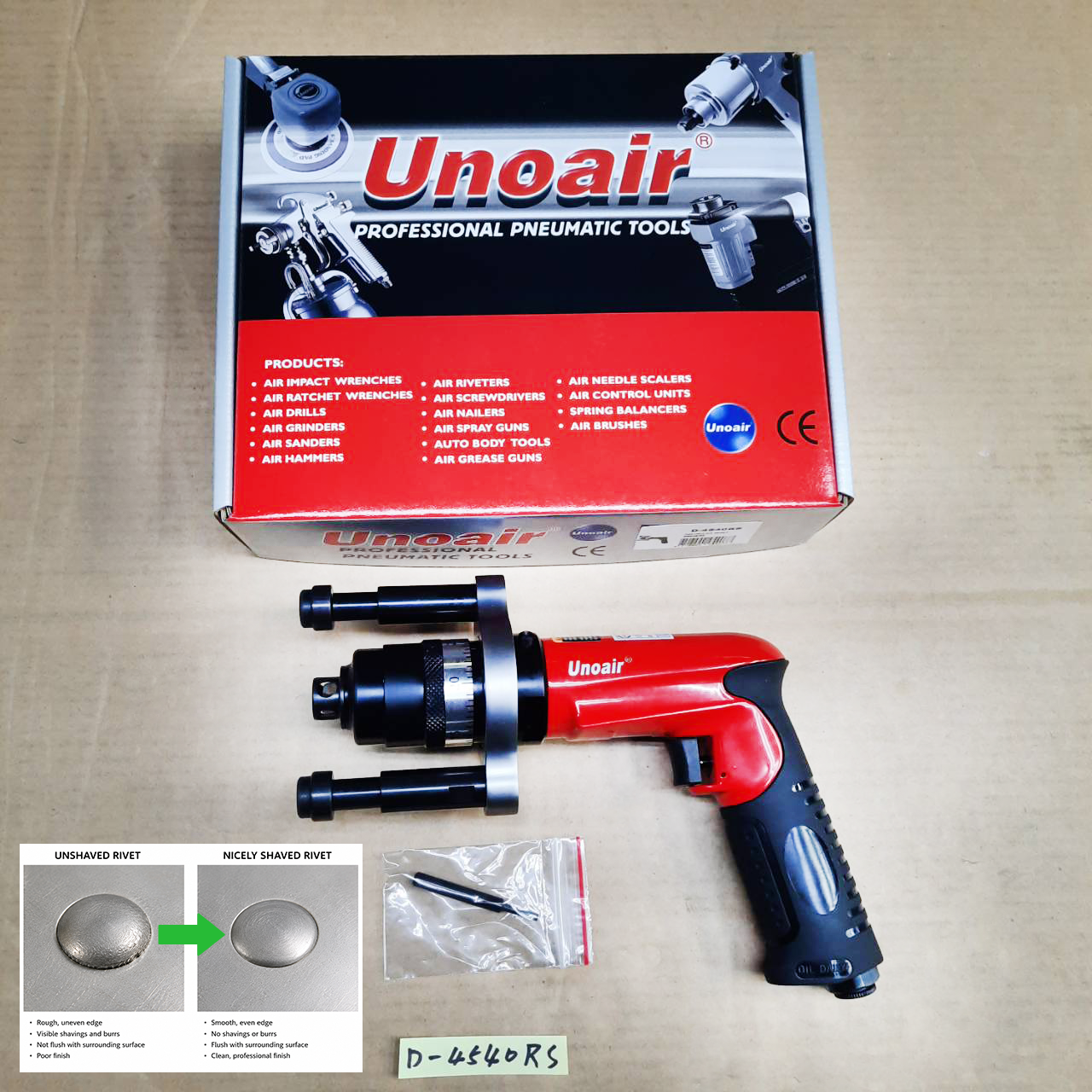
Get the right tool for the job—and achieve professional results every time.